These days, the news is full of talk about interest rates.
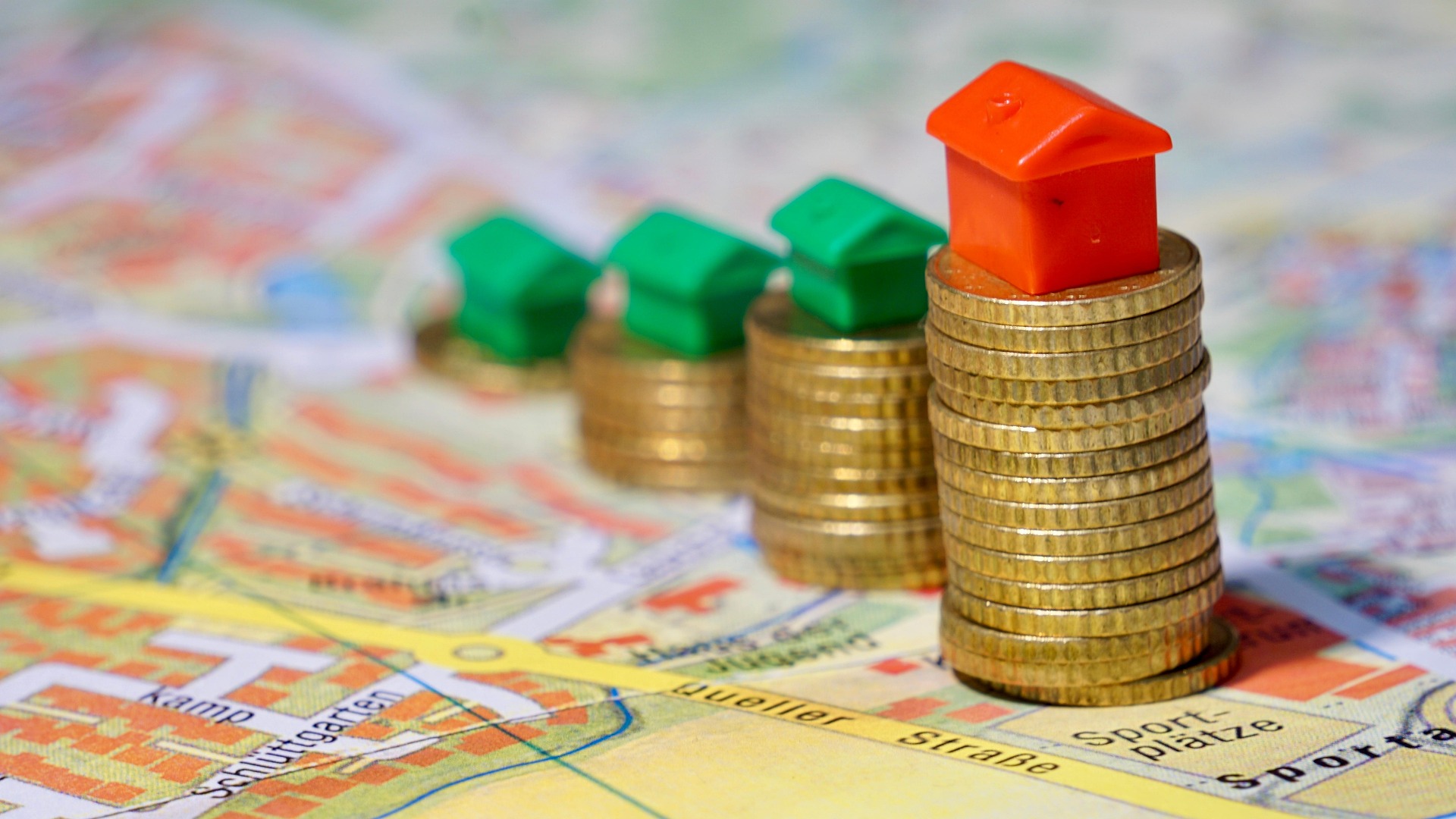
Yet for many people, the change that feels most immediate is not interest rates themselves – it is rising rent.
Even for those without a mortgage or loan, rent continues to rise.
That raises a simple but important question: why?
Interest rates may look like just a number, but in reality, they affect our daily lives first through the rental market – showing up as higher rent.
Today, we will look at how interest rates change cost structures, and how those changes eventually show up in rent.
1️⃣ What Does an Interest Rate Really Change?
Before going deep, it helps to clarify what an interest rate actually represents.
The simplest way to understand interest rates is to think of them as the price of borrowing money.
Just as other products have prices, money does too → and that price is the interest rate.
When interest rates rise, the cost of money goes up. As a result, people who borrowed money for an operation or investment eventually face higher costs as well.
Put more simply:
- Higher interest rates → higher borrowing costs
- Higher borrowing costs → greater pressure on existing cost structures
Many rental properties are not operated solely with the owner’s own capital. They typically rely on loans alongside equity.
Because of this structure, when the interest rate rises, landlords are directly affected as well.
2️⃣ When Interest Rates Rise, Landlords Feel the Pressure First
When interest rates go up, the first group to feel the impact is landlords, through higher financing costs.
In periods of rate hikes, the effects typically appear in two ways:
- For landlords with variable-rate loans
- Monthly interest payments increase immediately
- For landlords with fixed-rate loans
- Higher interest rates take effect when the loan matures and needs to be refinanced, or when loan terms are adjusted
Of course, a landlord’s costs are not driven by interest rates alone.
Taxes, maintenance expenses, and vacancy risk all matter as well. But interest rates tend to move faster than other factors, amplifying multiple cost pressures at the same time.
When costs rise this way, landlords do not have many options.
In most cases, they are left with three choices:
- Absorbing the increased costs
- Cut back on other expenses
- Passing the burden on through rent
Which raises the key question: where do those costs ultimately land?
3️⃣ Where Do Those Costs Go? → Rent

In the rental market, rent is the most flexible lever – the easiest cost to adjust.
If we break down the main cost components landlords face:
- Maintenance and management fees: Largely fixed and difficult to adjust in the short term ❌
- Property taxes: Set by local governments and outside the landlord’s control ❌
- Loan interest payments: Automatically rise as interest rates increase ❌
Compared to these costs, rent stands out as the one item that can be adjusted relatively easy – usually through lease renewals.
Because rent is shaped more by market conditions and cost structures than by an individual tenant’s circumstances, factors like a tenant’s income or personal situation tend to have a little influence on the final number.
4️⃣ Rent Moves First – and That’s Why It Feels Bigger
Rent responds much faster than home prices.
Home prices typically change only when actual transactions occur. In contrast, rent can be adjusted simply through lease renewals, without the need for a sale.
This difference becomes especially clear during periods of rising interest rates.
- Home prices tend to adjust slowly as transactions decline.
- Rent, on the other hand, reflect higher costs almost immediately in new contracts.
Another reason rent increases feel so painful is that rent is a fixed expense.
When fixed costs rise, they leave households with less room to adjust – reducing disposable income and putting pressure on everyday spending. That is why increases in rent, a core living expense, are often felt more sharply than changes in asset prices.
Importantly, rising interest rates do not always signal an economic downturn.
But for many people, economic conditions start to feel worse when higher rates first show up in everyday expenses like rent. This often happens long before broader economic indicators begin to change.
💡Conclusion – Interest Rates Are Numbers, Rent is Reality
Interest rates often feel like distant policy variables.
But in everyday life, they tend to show up first through fixed expenses like rent.
That’s why, in many cases, the economic changes people actually feel do not begin with headline numbers or indicators, but with shifts in the costs they cannot easily avoid.
In the end, understanding the economy isn’t about predicting complex outlooks.
It’s about being able to explain why your own fixed expenses are changing.
In the next piece, we will examine other everyday expenses that tend to adjust early—
much like rent.